While wildfires rage overseas, fire protections drop in New Zealand
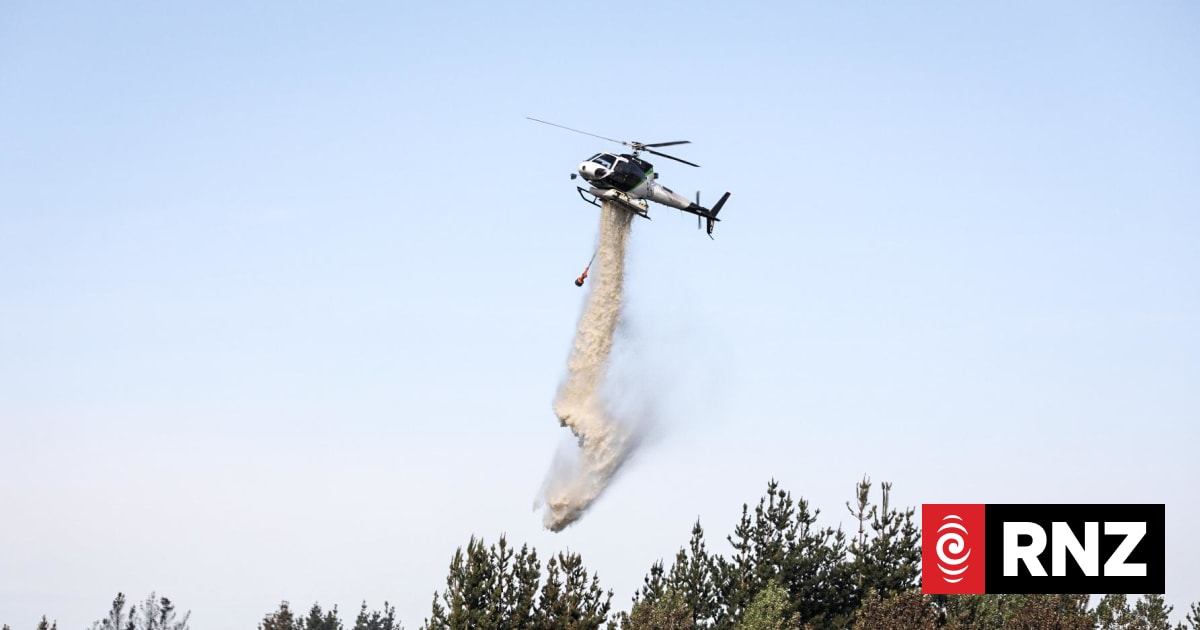
The numbers of specialist forest firefighters is dropping as insurance cover for plantation forests plunges.
Places named in this report: New Zealand, Canada
Exact coordinates
new zealand: -40.900, 174.890
canada: 56.130, -106.350
Read it at RNZ See this on the map
What might happen next? AI-generated
These scenarios are written by an AI language model from the headline and summary above. They are not predictions from the newsroom, and they are not evidence of anything. Every one is given a deadline and checked against later coverage, and the score is published on the ledger — including the ones that miss.
-
Unresolved 45% Commercial Insurance Market Collapse
Major insurers permanently exit the NZ plantation forestry sector due to unmanageable climate risk, leaving landowners to self-insure or rely on government-backed catastrophe bonds. Specialist private firefighting firms go bankrupt or pivot to high-risk international contracts, leaving domestic protection reliant on volunteer groups and underfunded regional councils.
Watch for: Three major global reinsurers announce withdrawal from New Zealand forestry coverage for the 2025 policy year · Primary Industries Forestry New Zealand reports a 60% drop in insured plantation acreage for the upcoming summer season
-
Unresolved 30% Government Emergency Intervention
Following a catastrophic fire season that destroys significant commercial timber assets, the New Zealand government passes emergency legislation to subsidize firefighting insurance and directly fund a national specialized aerial firefighting fleet. The Ministry for Primary Industries takes temporary control of high-risk zones to prevent total economic loss.
Watch for: The NZ Parliament passes the Forestry Fire Resilience Act providing direct subsidies to insurers · The Ministry for Primary Industries announces the purchase of three new air tankers for national deployment
-
Unresolved 15% Industry Adaptation via Risk Reduction
Forestry companies collectively invest in massive fuel reduction programs, creating wide firebreaks and switching to less flammable tree species for new plantations. Insurers remain cautious but stabilize premiums as the visible reduction in fire load makes the risk manageable again, preventing total market exit.
Watch for: Major forestry producers announce a joint $50 million investment in landscape-scale fuel reduction and firebreak infrastructure · Insurance premiums for plantation forests stabilize or decrease by 10% following the first year of mandatory fuel management protocols
-
Unresolved 10% Regulatory Backlash and Moratorium
Public outrage over lost biodiversity and carbon sinks leads to strict new regulations banning plantation forestry in high-risk fire zones. This results in a partial moratorium on new plantings and forced clearing of existing high-risk stands, triggering a legal battle between landowners and the Crown.
Watch for: Local councils in the North Island ban new forestry plantings in high-risk fire corridors under the Resource Management Act · A coalition of iwi and environmental groups files a High Court challenge against the government for failing to protect carbon sinks from wildfire
Generated by Qwen3.6-35B-A3B-UD-Q5_K_M.gguf
on 2026-08-03. Checked against later coverage after 2026-08-17.
See how these forecasts score.
ForecastGeo shows the headline and summary published by the newsroom and places the story on a map. The full article lives at the source.