What the U.S.-Iran stalemate means for oil prices
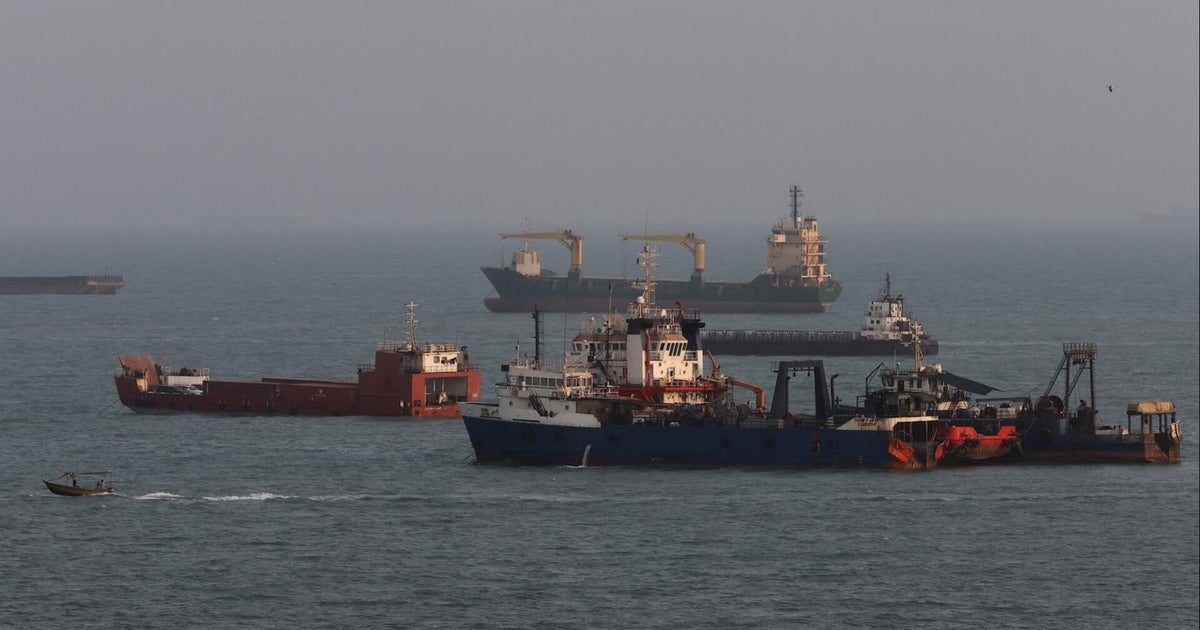
The U.S. and Iran remain in a stalemate as the 60-day negotiation period expires, and access to the Strait of Hormuz remains unclear. Emily Peck, a markets correspondent for Axios, joins with more.
Where: Iran
Exact coordinates
iran: 32.430, 53.690
Read it at CBS News See this on the map
2 outlets covered this story — see how their framing differs
What might happen next? AI-generated
These scenarios are written by an AI language model from the headline and summary above. They are not predictions from the newsroom, and they are not evidence of anything. Every one is given a deadline and checked against later coverage, and the score is published on the ledger — including the ones that miss.
-
Unresolved 40% Market Shock and De-escalation
Fearing a prolonged stalemate, global hedge funds initiate large-scale, speculative shorting of Iranian oil reserves. This panic-driven selling forces both Tehran and Washington to engage in urgent, closed-door talks to prevent a systemic financial collapse. A tentative agreement on inspection access is reached before the 14-day window closes.
Watch for: A joint press release is issued by the US State Department and the Iranian Foreign Ministry detailing a 'framework for renewed dialogue'. · Major oil futures exchanges report a 5% drop in WTI prices within 72 hours of the initial stalemate reports.
-
Unresolved 25% Controlled Military Posturing
The stalemate breaks into a low-level, kinetic standoff as minor maritime incidents escalate in the Strait of Hormuz. This leads to a localized, high-visibility military response from regional proxies. A third-party mediation body, such as the UN, is forced to convene an emergency session to prevent wider war.
Watch for: A named U.S. Naval Commander publicly announces the activation of increased maritime surveillance protocols in the Strait. · An official statement is released by Iran detailing the seizure of a specific, non-military vessel in international waters.
-
Unresolved 20% Unilateral U.S. Sanctions Tightening
The U.S. government decides that diplomatic engagement is fruitless and unilaterally tightens existing secondary sanctions against Iranian energy infrastructure. This immediate economic pressure forces Iran to pivot its sales strategy entirely toward non-Western buyers, causing immediate global price volatility.
Watch for: The Treasury Department announces specific, new sanctions targeting three named Iranian oil export terminals. · The Iranian Central Bank publishes an emergency decree detailing new, prioritized trade agreements with Asian buyers.
-
Unresolved 15% The 'Status Quo' Drift (Counter-intuitive)
Rather than escalating or resolving, the situation enters a phase of profound strategic inertia where neither side commits to change. Both the US and Iran tacitly accept the current unstable status quo as the 'new normal' for the near term, leading to a temporary dip in market focus.
Watch for: The Secretary of State issues a highly technical briefing confirming no substantive change in negotiation parameters has occurred. · Major news outlets report a 'business as usual' market sentiment regarding Strait of Hormuz security risks for the next two weeks.
Generated by gemma-4-E4B-it-qat-UD-Q4_K_XL.gguf
on 2026-08-17. Checked against later coverage after 2026-08-20.
See how these forecasts score.
ForecastGeo shows the headline and summary published by the newsroom and places the story on a map. The full article lives at the source.