What is New Zealand's MMP electoral system and does it favour coalitions?
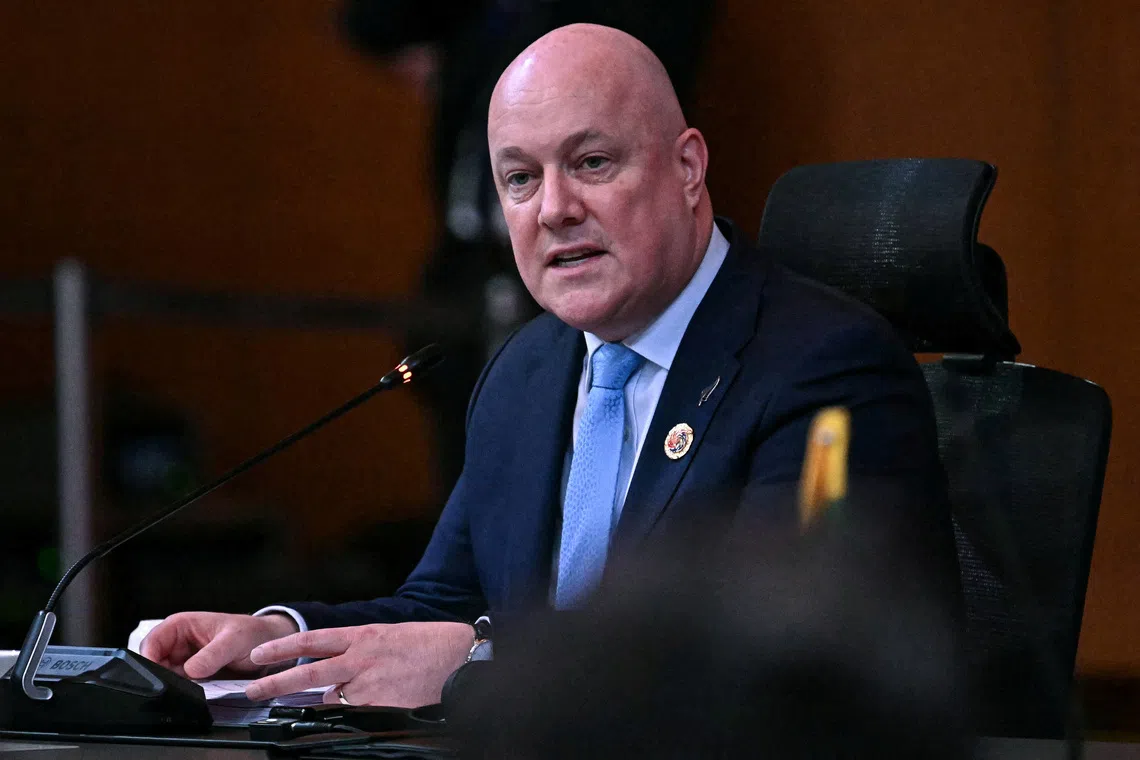
New Zealand Prime Minister Christopher Luxon said he was open to a referendum on the country's electoral system, sparking vigorous debate, with critics saying any such move would be seen as a power grab by the larger parties.
Places named in this report: New Zealand
Exact coordinates
new zealand: -40.900, 174.890
Read it at The Straits Times See this on the map
What might happen next? AI-generated
These scenarios are written by an AI language model from the headline and summary above. They are not predictions from the newsroom, and they are not evidence of anything. Every one is given a deadline and checked against later coverage, and the score is published on the ledger — including the ones that miss.
-
Unresolved 45% Official Rejection and Stalemate
Following intense debate, the ruling party decides the proposal is politically premature and shelves the referendum idea indefinitely. Luxon issues a public statement reaffirming the status quo to quell immediate public pressure. The political focus shifts back to the current legislative agenda.
Watch for: Prime Minister Luxon issues a press release stating the electoral system debate is 'paused' · The Labour Party formally tables a counter-motion against any proposed system review
-
Unresolved 25% Swift Public Mandate for Review
The public backlash against the current system, amplified by the debate, creates overwhelming political momentum. Luxon announces a concrete timeline for a binding referendum, contingent on a specific parliamentary vote. This move signals a willingness to risk short-term political capital for long-term system change.
Watch for: Luxon announces a specific date and time for a national referendum consultation · A coalition partner formally signs a written commitment to support the referendum vote
-
Unresolved 15% Minor Party Leverage and Negotiation
A smaller, influential third party leverages their voting bloc to demand concessions in exchange for backing a reform process. They agree to a limited, technical review process rather than a full referendum, ensuring their interests are addressed. The focus shifts to a technical committee formation.
Watch for: The Greens or a third party chairs a parliamentary committee tasked with electoral reform · A formal amendment is introduced to change the number of MMP seats
-
Unresolved 10% Unexpected Electoral Push Back
Contrary to expectations, a significant bloc of the electorate, including business leaders, publicly rallies against the proposal, fearing instability. A major media outlet publishes a lead editorial framing the referendum as 'political pandering,' causing Luxon to retract the public openness to the idea.
Watch for: The New Zealand Chamber of Commerce issues a public statement expressing reservations about electoral change · Luxon's spokesperson issues a correction clarifying the referendum was a 'hypothetical discussion' rather than an active plan
Generated by gemma-4-E4B-it-qat-UD-Q4_K_XL.gguf
on 2026-08-07. Checked against later coverage after 2026-08-14.
See how these forecasts score.
ForecastGeo shows the headline and summary published by the newsroom and places the story on a map. The full article lives at the source.