What China’s expanded funding for HIV/Aids in Africa means as US cuts health aid
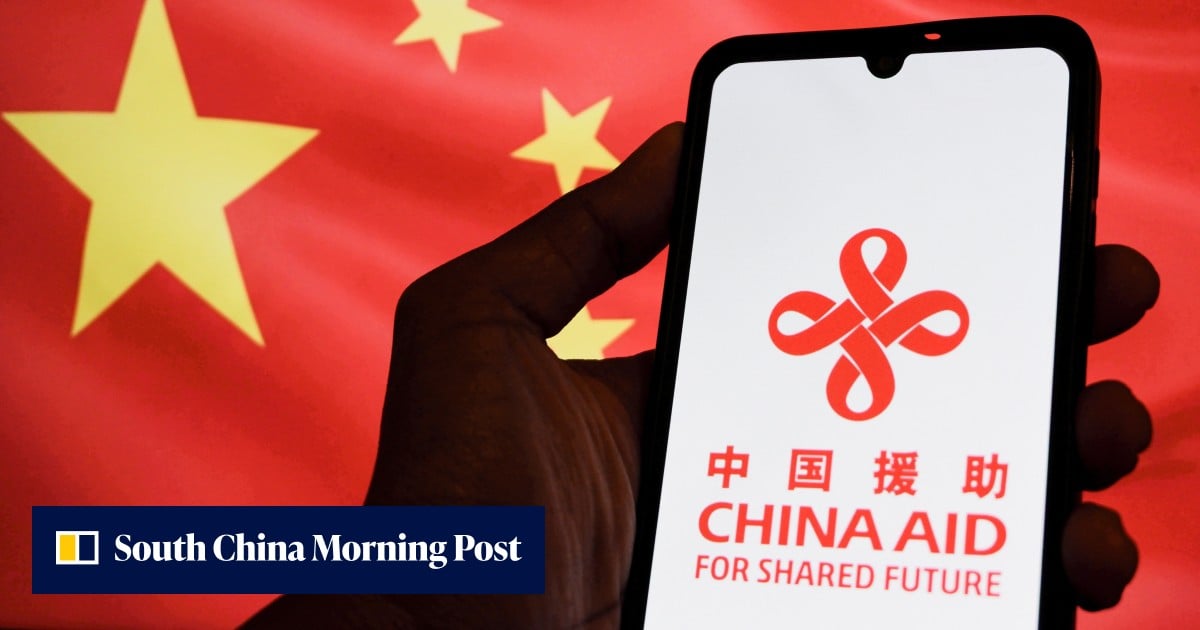
China is expanding its role in the fight against HIV/Aids in Africa by funding new projects and backing local medicine manufacturing as part of its signature health initiative, the Health Silk Road. Beijing’s larger presence comes as traditional Western aid wanes following the closure of the US Agency for International Development and sweeping cuts to the World Health Organization and the President’s Emergency Plan for Aids Relief (Pepfar). Pepfar was a major bilateral American initiative...
Places named in this report: Washington, Beijing
Exact coordinates
washington: 38.910, -77.040
beijing: 39.900, 116.400
Read it at South China Morning Post See this on the map
What might happen next? AI-generated
These scenarios are written by an AI language model from the headline and summary above. They are not predictions from the newsroom, and they are not evidence of anything. Every one is given a deadline and checked against later coverage, and the score is published on the ledger — including the ones that miss.
-
Unresolved 35% Regional Health Bloc Formation
China's increased funding catalyzes immediate, high-level cooperation among African nations, leveraging the gap left by US aid to form a more unified 'Health Silk Road' front. This unified approach allows them to negotiate directly with international bodies without relying on traditional Western structures. The immediate focus will be on standardizing procurement through the new Chinese-backed manufacturing hubs.
Watch for: The African Union (AU) announces a new multi-country health treaty signed with Chinese representatives · A major international NGO issues a joint statement endorsing the expanded Chinese health initiative
-
Unresolved 30% US Re-engagement through Competition
The US recognizes the strategic shift in health diplomacy and launches a targeted, high-profile counter-initiative to stem the loss of influence. Instead of broad aid, the US offers a specialized, rapid deployment of specific medical technologies or data-sharing platforms to key African partners. This creates a temporary, intense competition for regional influence.
Watch for: The US State Department announces a 'Strategic Medical Partnership' aimed at specific African nations · A US-funded technology transfer program is officially launched in a specific African capital
-
Unresolved 20% Localized Resource Strain and Friction
Despite the influx of Chinese funding, local logistical hurdles and differing national priorities cause immediate friction within the new partnerships. Specific African governments struggle to integrate the new Chinese supply chains into existing healthcare infrastructures, leading to localized delays and disputes over resource allocation. The momentum slows down as bureaucratic conflicts emerge.
Watch for: A specific African ministry publicly delays the implementation of a new Chinese medical supply contract · A localized health NGO reports significant delays in receiving promised supplies from a new Chinese facility
-
Unresolved 15% Unorthodox US-China Bilateral Pivot (Counter-Trend)
In a surprising move, the US recognizes the geopolitical necessity of stability in the region and initiates a high-level, discreet dialogue with Beijing regarding global health cooperation. This results in a temporary, joint declaration focusing solely on pandemic preparedness, sidelining traditional aid disputes for short-term mutual gain. This directly counters the expected increase in geopolitical rivalry.
Watch for: A joint statement is issued by US and Chinese health officials regarding 'Global Pandemic Readiness' · A bilateral working group meeting is announced between US and Chinese health security advisors
Generated by gemma-4-E4B-it-qat-UD-Q4_K_XL.gguf
on 2026-08-07. Checked against later coverage after 2026-08-17.
See how these forecasts score.
ForecastGeo shows the headline and summary published by the newsroom and places the story on a map. The full article lives at the source.