US avocado imports cut chemical use, reduce nitrogen pollution by 10%
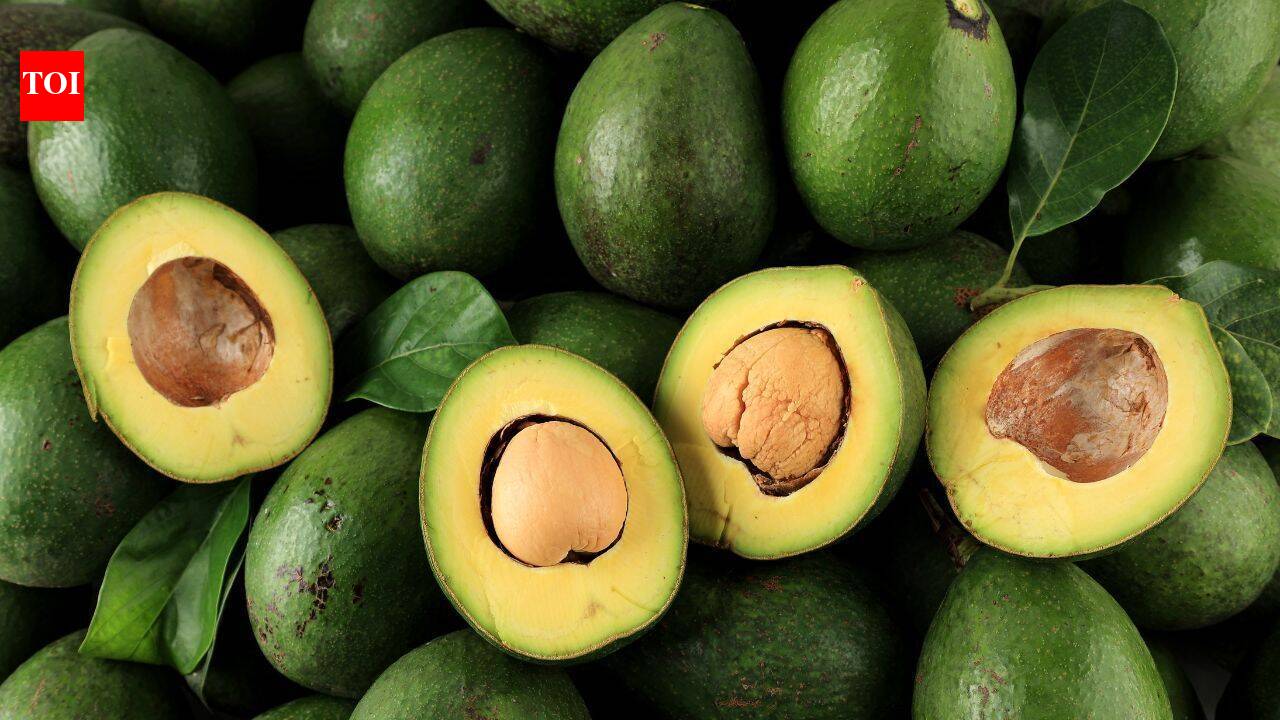
New United States import rules for Mexican avocados prompted growers to reduce chemical use. This change significantly lowered nitrogen pollution in nearby Mexican waterways. Stricter inspections and phytosanitary certificates encouraged more careful pest management practices. The market access incentivized cleaner production methods without halting trade. This demonstrates how trade policies can yield unexpected environmental benefits.
Places named in this report: United States
Exact coordinates
united states: 37.090, -95.710
Read it at The Times of India See this on the map
What might happen next? AI-generated
These scenarios are written by an AI language model from the headline and summary above. They are not predictions from the newsroom, and they are not evidence of anything. Every one is given a deadline and checked against later coverage, and the score is published on the ledger — including the ones that miss.
-
Unresolved 45% Regulatory Harmonization
The US and Mexico establish a joint task force to formalize the environmental standards into a binding trade agreement clause, leading to a reduction in border inspection delays for certified organic farms. Mexican agricultural agencies adopt the US phytosanitary protocols as national law, streamlining compliance for exporters. This results in a measurable decrease in cross-border trade friction and a sustained drop in nitrogen runoff.
Watch for: USDA and Mexican SAGARPA sign a memorandum of understanding on sustainable avocado trade standards · Mexican avocado exports to the US see a 15% increase in inspection approval rates within Q3
-
Unresolved 30% Industry Pushback and Loopholes
Large-scale Mexican avocado producers lobby against the cost of compliance, leading to a surge in black-market produce or the use of 'grey area' certified farms that meet minimum standards while ignoring nitrogen reduction goals. US retailers face supply shortages, forcing a temporary relaxation of the strictest phytosanitary requirements. Environmental monitoring groups report a plateau or slight increase in nitrogen levels in key waterways.
Watch for: Mexican avocado cartel-linked distributors seized for smuggling produce lacking proper phytosanitary certificates · US Department of Commerce announces temporary suspension of nitrogen monitoring requirements for small-scale farms
-
Unresolved 15% Market Diversification by Mexico
Facing persistent US regulatory burdens, Mexican growers pivot aggressively to export to Asia and Europe, where standards are perceived as more lenient or profitable. The US market share of Mexican avocados drops significantly as domestic US production expands to fill the gap. The initial nitrogen pollution reduction in Mexico stagnates as the environmental premium for the US market is no longer the primary driver.
Watch for: Mexico signs a new bilateral trade agreement with China specifically for perishable agricultural goods · US avocado domestic production reaches a five-year high as imports from Mexico decline by 20%
-
Unresolved 10% Geopolitical Trade War Escalation
Mexico retaliates against the US import restrictions by imposing counter-tariffs on other US agricultural exports, framing the avocado rules as protectionist rather than environmental. The dispute escalates to the WTO, causing immediate volatility in agricultural commodity markets. Cross-border trade effectively freezes as both nations suspend non-essential inspections, halting the environmental benefits entirely.
Watch for: Mexican government announces 25% tariff on US corn and soybean imports in response to avocado rules · WTO emergency panel is convened to review the US phytosanitary measures within 14 days
Generated by Qwen3.6-35B-A3B-UD-Q5_K_M.gguf
on 2026-07-31. Checked against later coverage after 2026-08-14.
See how these forecasts score.
ForecastGeo shows the headline and summary published by the newsroom and places the story on a map. The full article lives at the source.