Spain’s zebra mussels reach 40,000 per sq metre, damaging pipes and structures
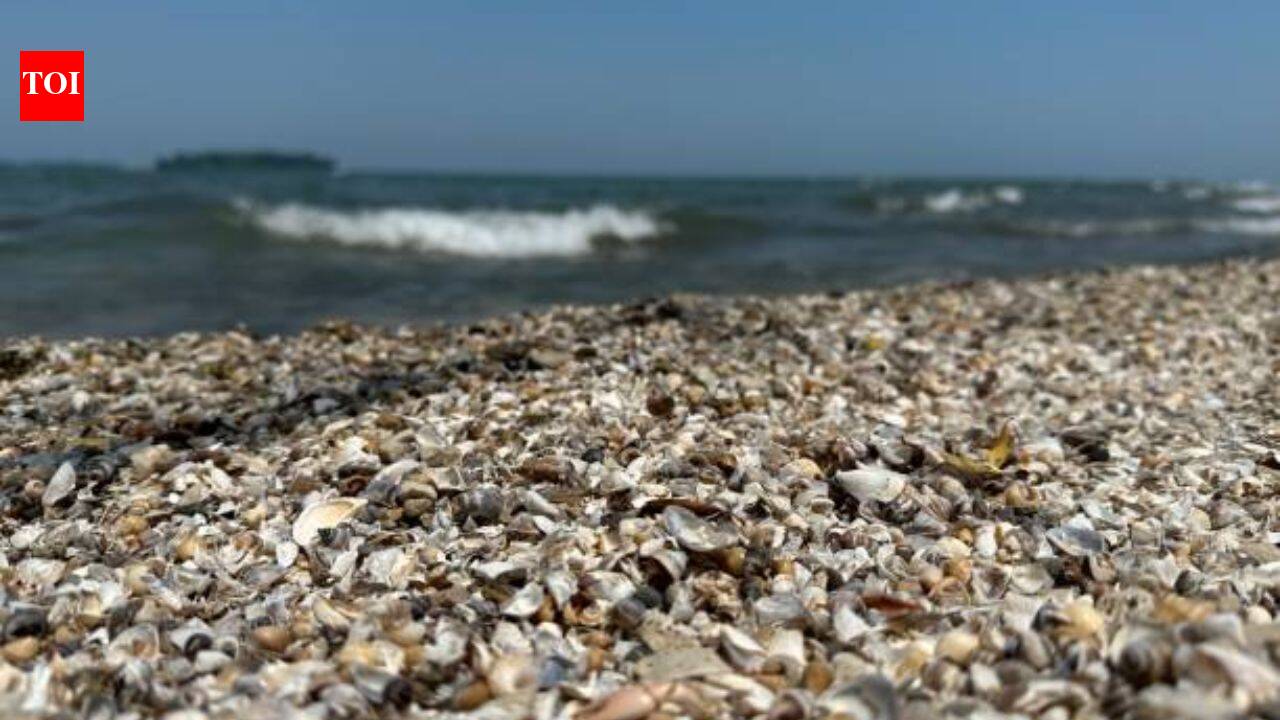
Zebra mussels are proliferating swiftly in Spain's aquatic systems, resulting in considerable harm to infrastructure and creating disturbances in water supply. Experts advocate that modifying infrastructure represents the only effective long-term remedy. The mere removal of adult mussels fails to address the persistent issue of shell buildup. This invasive species has already led to substantial economic repercussions, which are projected to escalate.
Places named in this report: India, Spain
Exact coordinates
india: 20.590, 78.960
spain: 40.460, -3.750
Read it at The Times of India See this on the map
What might happen next? AI-generated
These scenarios are written by an AI language model from the headline and summary above. They are not predictions from the newsroom, and they are not evidence of anything. Every one is given a deadline and checked against later coverage, and the score is published on the ledger — including the ones that miss.
-
Unresolved 40% Immediate Emergency Infrastructure Action
Facing immediate economic pressure from water service disruptions, regional governments bypass long-term planning and initiate emergency, high-cost mechanical flushing/filtration projects across affected municipal networks. This rapid intervention prioritizes short-term service restoration over ecological stability. This forces a localized, reactive management approach.
Watch for: Ministry of Environment announces emergency budget allocation for water infrastructure remediation · Local water utility issues a 24-hour mandatory water usage restriction in a major affected municipality
-
Unresolved 30% Regulatory Ban on Public Water Use
The severity of the infrastructure damage triggers a public health concern regarding water quality, leading national regulators to impose strict limitations on how and where the affected water sources can be utilized. This temporary, stringent control serves as a blunt instrument until a biological control is viable. The focus shifts from cleaning pipes to controlling public access.
Watch for: Spanish health authority issues a national decree limiting non-essential water withdrawal from specific aquatic basins · Media reports on a temporary shutdown of a major municipal water treatment plant
-
Unresolved 20% Successful Pilot Biological Control Introduction
Scientific research, spurred by the crisis, yields a rapid, localized biological agent (e.g., a specific predatory fish or microorganism) proven effective against the juvenile stages of the mussels. Authorities approve a highly localized trial deployment in one key affected reservoir to mitigate the spread before widespread implementation. This is the most scientifically optimistic outcome.
Watch for: National research institute announces the successful field testing of a biocontrol agent against zebra mussels · Government issues a press release detailing the deployment of a specific, named biological control measure
-
Unresolved 10% Market-Driven Private Sector Remediation Surge (Counter-Trajectory)
Instead of state intervention, the escalating private losses among water companies trigger an immediate, aggressive bidding war among private remediation firms. These firms, motivated purely by contract profit, deploy industrial-scale chemical treatments rather than the slow, targeted engineering solutions experts suggested. This risks wider ecological damage but resolves the immediate operational crisis quickly through market force.
Watch for: A major multinational industrial cleaning firm secures a multi-million Euro contract specifically targeting mussel removal · Local news reports on the deployment of industrial-grade anti-fouling chemicals in public canals
Generated by gemma-4-E4B-it-qat-UD-Q4_K_XL.gguf
on 2026-08-08. Checked against later coverage after 2026-08-13.
See how these forecasts score.
ForecastGeo shows the headline and summary published by the newsroom and places the story on a map. The full article lives at the source.