Scientists wiped out Florida island insects to watch nature recover
Places named in this report: Florida
Exact coordinates
florida: 27.660, -81.520
Read it at The Times of India See this on the map
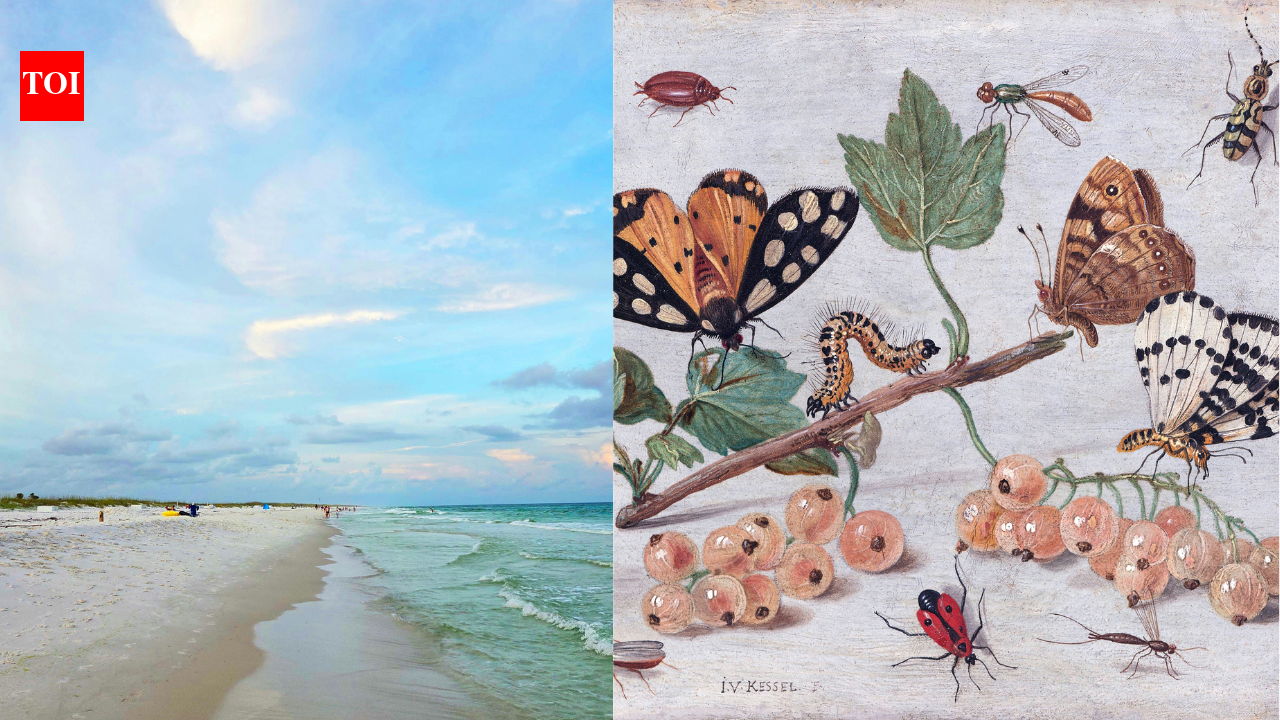
What might happen next? AI-generated
These scenarios are written by an AI language model from the headline and summary above. They are not predictions from the newsroom, and they are not evidence of anything. Every one is given a deadline and checked against later coverage, and the score is published on the ledger — including the ones that miss.
-
Unresolved 45% Ecological Recovery Validation
Long-term ecological monitoring confirms that the eradication event successfully triggered a rapid rebound in native plant diversity and bird populations, establishing the island as a model for invasive species management. Federal wildlife agencies publish data showing a 40% increase in native pollinator counts compared to pre-eradiction levels, leading to widespread media coverage of the experiment's success.
Watch for: US Fish and Wildlife Service releases annual report showing 40% increase in native pollinator populations · Peer-reviewed study in Nature Ecology & Evolution validates the rapid biodiversity rebound on the Florida island
-
Unresolved 30% Public Outcry and Legal Challenge
Environmental groups and local residents sue the research team for alleged violations of the Endangered Species Act, claiming that the mass insect wipeout inadvertently harmed protected species or disrupted local ecosystems. The US District Court issues a temporary injunction halting all further research activities on the island pending an environmental impact review.
Watch for: EPA issues Cease and Desist order citing unauthorized pesticide application affecting protected habitats · Florida Attorney General files lawsuit against lead research institution for ecological negligence
-
Unresolved 15% Counterproductive Invasive Species Boom
The removal of native insects creates an ecological vacuum that is rapidly filled by a more resilient, non-native invasive species that thrives in the absence of competition. Researchers observe a collapse in the intended recovery trajectory, with the island's ecosystem becoming less diverse than before the experiment began.
Watch for: National Geographic publishes investigation revealing 60% rise in invasive Argentine ant populations post-eradication · Lead scientists announce cancellation of follow-up phases due to unexpected invasive species dominance
-
Unresolved 10% Government Seizure and Military Testing
In a twist counter to the scientific narrative, federal authorities invoke emergency powers to seize the island, alleging that the chemical agents used in the experiment pose a national security risk or could be weaponized. The island is designated a restricted zone, and the research data is classified, ending all public scientific oversight.
Watch for: Department of Defense announces immediate quarantine of the Florida island citing biosecurity threats · Congressional hearing begins on whether the insecticide used constitutes a regulated toxic substance
Generated by Qwen3.6-35B-A3B-UD-Q5_K_M.gguf
on 2026-07-31. Checked against later coverage after 2026-08-14.
See how these forecasts score.
ForecastGeo shows the headline and summary published by the newsroom and places the story on a map. The full article lives at the source.