Scientists discover a common sugar may help cancer cells break free and spread
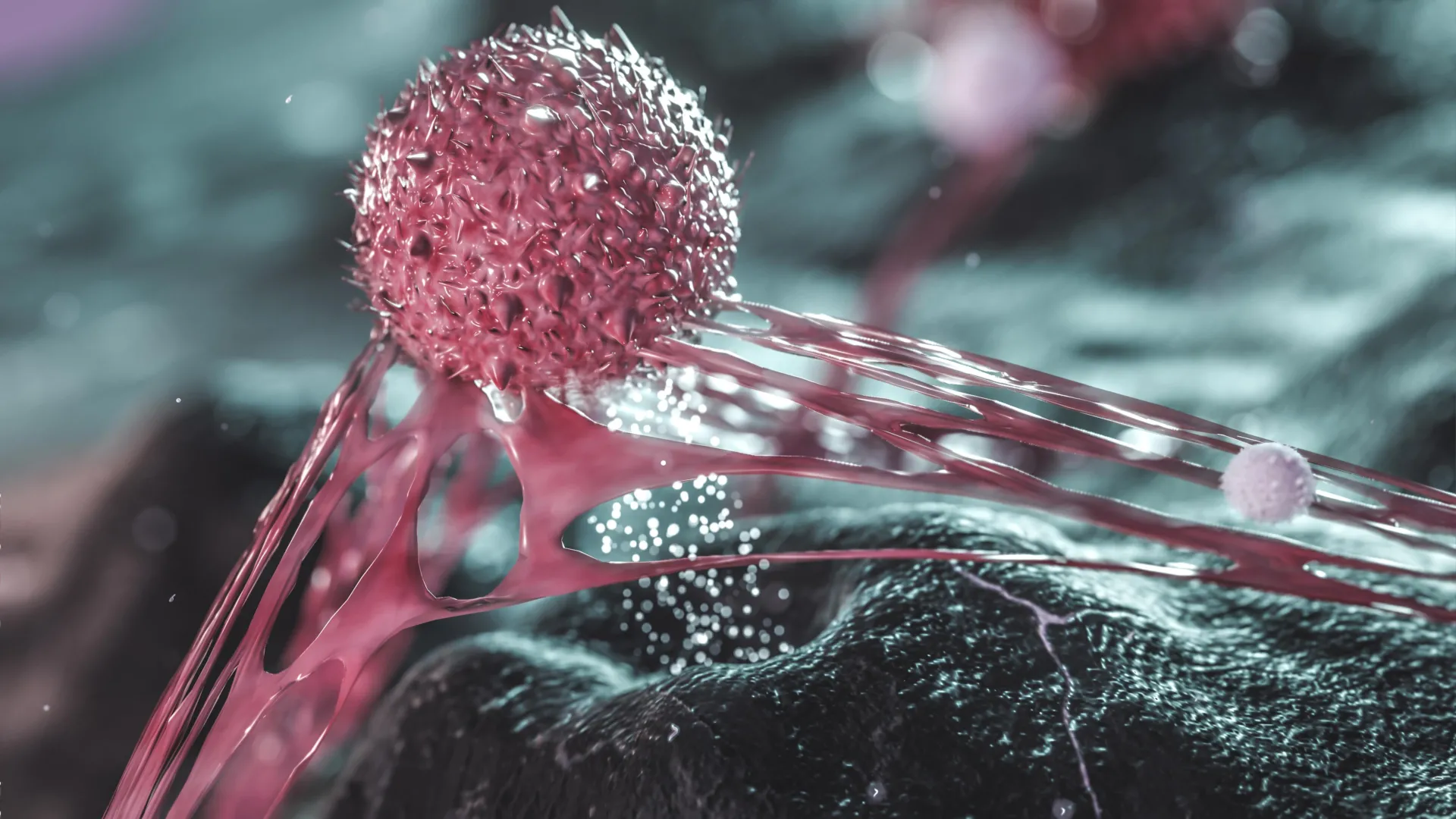
Scientists have uncovered a surprising way that fructose, a sugar commonly found in sweetened foods and drinks, may help aggressive ovarian cancer spread. Researchers discovered that cancer cells surviving chemotherapy release fructose that weakens the bonds holding neighboring tumor cells together, making it easier for cancer to spread. High dietary fructose levels and cholesterol-lowering statins also produced concerning effects in preclinical experiments.
Places named in this report: United States
Exact coordinates
united states: 37.090, -95.710
Read it at ScienceDaily See this on the map
What might happen next? AI-generated
These scenarios are written by an AI language model from the headline and summary above. They are not predictions from the newsroom, and they are not evidence of anything. Every one is given a deadline and checked against later coverage, and the score is published on the ledger — including the ones that miss.
-
Awaiting deadline 40% Moderation framing by public health outreach
The researchers and their institution pivot toward reassurance, issuing a press release clarifying the effect arises in preclinical models at high fructose concentrations not reached through normal diet. Coverage settles into public-health pieces urging moderation rather' panic, aligning with how the study was published.
Watch for: The lead author issues a statement saying 'no change in current dietary advice is warranted' · The institution releases a FAQ clarifying the study was conducted on cancer cells, not humans · Major outlets run stories with heads like 'Don't panic about sugar from new cancer study'
-
Awaiting deadline 25% Pharma/statin safety review reignited
Media and regulators broaden the story to the statins finding, prompting calls for an urgent safety review of cholesterol-lowering drugs given the reported association with faster tumor spread. Pharmaceutical companies and medical associations issue responses to defuse concerns about a widely used medication class.
Watch for: A regulatory agency such as the FDA or EMA announces a review of statin safety data · A pharma company issues a statement defending statins against the cancer-spread claims · Medical associations release guidance telling patients not to stop statins based on the study
-
Awaiting deadline 20% Clinical trial and industry response launched
The research team or a cancer center announces a planned clinical trial testing whether restricting fructose or blocking its mechanism alters ovarian cancer progression. A food or pharma entity files a patent or announces a fructose-targeted therapeutic, capitalizing on the novel biological finding.
Watch for: A hospital or research center registers a new clinical trial on fructose restriction in ovarian cancer · The lab files a patent application covering a fructose-blocking cancer therapy · A nutrition or pharmaceutical company announces a product or study tied to the finding
-
Awaiting deadline 15% Counter-trajectory: study challenged or retracted
Independent researchers question the methodology, replication, or overstatement of the findings, arguing the fructose effect does not translate to human cancers. The story reverses into skepticism, with critics publishing rebuttals and outlets running follow-up corrections.
Watch for: Independent scientists publish a public rebuttal or letter questioning the study's findings · The journal issues an editorial or correction to the fructose study · News outlets run stories retraction or retraction-watch coverage of the original paper
Generated by tiel-coder-35b-a3b-ud-q4_k_xl
on 2026-11-12. Checked against later coverage after 2026-11-19.
See how these forecasts score.
ForecastGeo shows the headline and summary published by the newsroom and places the story on a map. The full article lives at the source.