Scientists detect a surprising shift in human blood as CO2 rises
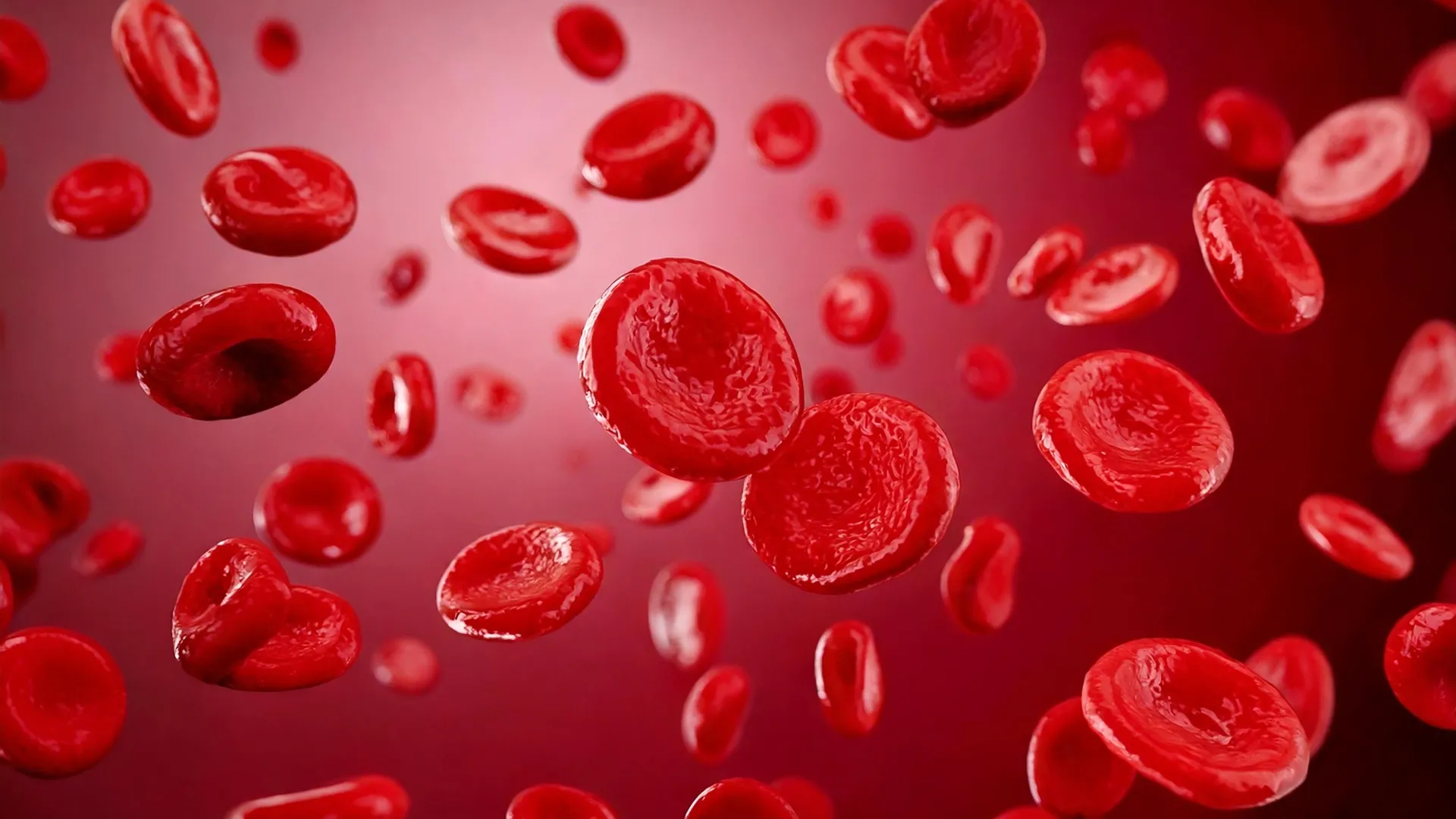
Rising carbon dioxide in the atmosphere may be leaving a measurable imprint inside the human body. Researchers analyzing more than two decades of U.S. health data found that blood bicarbonate levels have climbed about 7% since 1999, while calcium and phosphorus have declined—changes that closely track increasing atmospheric CO2.
Places named in this report: Australia
Exact coordinates
australia: -25.270, 133.780
Read it at ScienceDaily See this on the map
What might happen next? AI-generated
These scenarios are written by an AI language model from the headline and summary above. They are not predictions from the newsroom, and they are not evidence of anything. Every one is given a deadline and checked against later coverage, and the score is published on the ledger — including the ones that miss.
-
Unresolved 45% Academic Rebuttal and Replication Failure
Leading physiologists and epidemiologists publish a joint commentary in a major medical journal disputing the study's methodology, citing unaccounted dietary shifts or measurement errors as the true drivers of the bicarbonate changes. Major health organizations issue a statement clarifying that no direct causal link has been established, effectively neutralizing the study's immediate policy impact.
Watch for: Major medical association issues statement calling study findings inconclusive · Reputable peer-reviewed journal publishes editorial challenging CO2-blood correlation
-
Unresolved 30% Legislative Inquiry Launch
Driven by media coverage of the 'physiological impact' of climate change, a bipartisan group of lawmakers announces a formal inquiry into the EPA and CDC regarding the health implications of rising CO2. Government agencies are summoned to provide data on whether current air quality standards are insufficient to protect human biology.
Watch for: Senators announce joint letter demanding EPA report on CO2 health effects · Congressional hearing scheduled on atmospheric carbon and human health
-
Unresolved 15% Insurance Industry Risk Reassessment
A major multinational health insurance provider cites the study in an internal memo leaked to the press, suggesting a preliminary review of long-term health risk models for populations in high-CO2 zones. This sparks a brief market fluctuation in climate-tech and pharmaceutical stocks as investors speculate on new liability frameworks.
Watch for: Major insurer leaks internal memo citing CO2 study for risk model review · Pharmaceutical stocks see volatility linked to respiratory health concerns
-
Unresolved 10% Direct Causal Link Confirmation
An independent international research team releases a rapid-response study confirming the US data with a larger global dataset, proving that atmospheric CO2 directly alters human blood chemistry at current exposure levels. This triggers an immediate emergency session of the World Health Organization to address what is framed as a novel global health crisis.
Watch for: WHO declares emergency session on atmospheric carbon health impacts · Independent study confirms direct causal link between CO2 and blood bicarbonate
Generated by Qwen3.6-35B-A3B-UD-Q5_K_M.gguf
on 2026-08-15. Checked against later coverage after 2026-08-25.
See how these forecasts score.
ForecastGeo shows the headline and summary published by the newsroom and places the story on a map. The full article lives at the source.