Rubio defends US strikes on boats, warns of drug cartel ‘cancer’
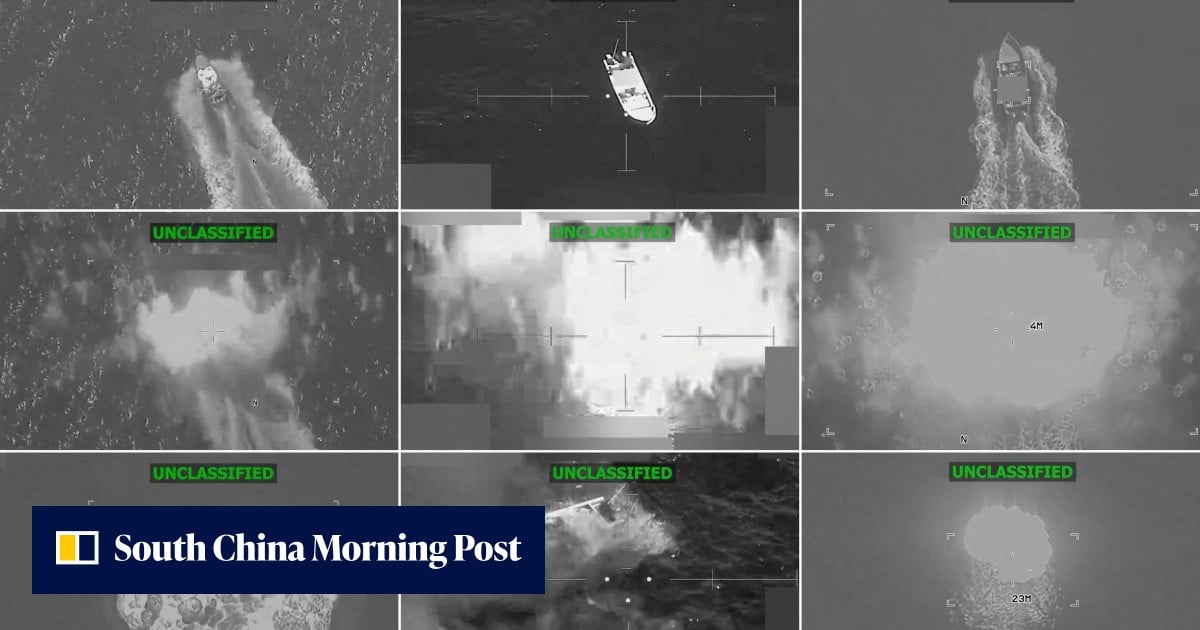
US Secretary of State Marco Rubio defended controversial strikes on suspected drug-trafficking boats during a visit to Ecuador on Wednesday, arguing Latin American cartels would “eat these countries alive” if left unchecked. Hailing a new generation of conservative leaders emerging across the region who are allied with President Donald Trump, Rubio said Washington was finding partners willing to be “very aggressive” against criminal groups. Since Trump returned to power, the United States has...
Places named in this report: Washington
Exact coordinates
washington: 38.910, -77.040
Read it at South China Morning Post See this on the map
What might happen next? AI-generated
These scenarios are written by an AI language model from the headline and summary above. They are not predictions from the newsroom, and they are not evidence of anything. Every one is given a deadline and checked against later coverage, and the score is published on the ledger — including the ones that miss.
-
Unresolved 35% Immediate Bilateral Agreement
The pressure applied by Rubio's defense of US action leads to a quick, high-level agreement between US and Ecuadorian authorities. This agreement likely formalizes a joint task force targeting drug trafficking with clearly defined operational parameters. The focus shifts from rhetoric to coordinated enforcement within the next few days.
Watch for: Ecuadorian Ministry of Foreign Affairs issues joint statement confirming enhanced intelligence sharing with the US. · A new joint security initiative is announced by the State Department and the Ecuadorian government.
-
Unresolved 30% Increased US Operational Presence
Rubio's visit emboldens a more aggressive stance from Washington. Instead of just diplomatic support, the US commits to deploying more overt surveillance or intelligence assets in Ecuadorian waters. This move signals a tangible escalation in the US-Latin American security partnership, likely drawing more attention from local cartels.
Watch for: The US Navy announces an increased deployment of maritime patrol vessels off the Ecuadorian coast. · Local Ecuadorian news reports increased frequency of US military drills in regional waters.
-
Unresolved 20% Regional Diplomatic Pushback
While US allies are supportive, neighboring countries express concern over the precedent set by aggressive maritime strikes. A key regional body, such as the OAS or Mercosur, issues a formal statement questioning the sovereignty of unilateral US operations. This diplomatic friction slows down the perceived 'aggressive partnership' trajectory.
Watch for: A statement is released by a regional bloc condemning the use of foreign military force in domestic drug enforcement. · The UN Special Envoy for Latin America calls for an immediate review of US maritime tactics.
-
Unresolved 15% Cartel Diversion and Inaction (Counter-Trajectory)
Instead of reacting to the defense of strikes, the major drug cartels decide the US focus on Ecuador is a temporary distraction. They shift their primary smuggling routes and operations to less monitored areas or pivot to alternative, less high-profile trafficking methods. The US strikes yield no immediate, observable change in the cartel's overall operational footprint.
Watch for: A major international news outlet reports a sudden shift in known drug trafficking routes away from the Ecuadorian coast. · A high-ranking cartel spokesperson issues a statement regarding a strategic pivot in operations.
Generated by llama
on 2026-09-10. Checked against later coverage after 2026-09-17.
See how these forecasts score.
ForecastGeo shows the headline and summary published by the newsroom and places the story on a map. The full article lives at the source.