Our Changing World: H5/N1 is here, what will it mean for our wildlife?
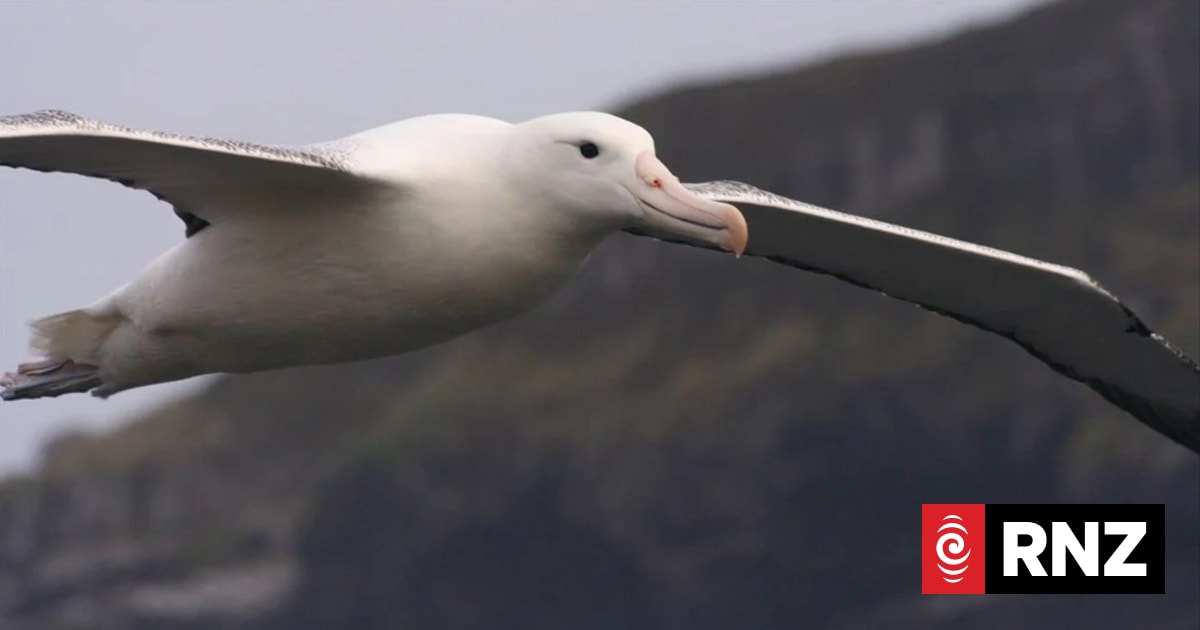
Pukekura headland is a hotspot for native wildlife. But with H5N1 bird flu creeping closer, what's the plan to protect it?
Where: New Zealand, Australia, Ireland
Exact coordinates
new zealand: -40.900, 174.890
australia: -25.270, 133.780
ireland: 53.140, -7.690
Read it at RNZ See this on the map
What might happen next? AI-generated
These scenarios are written by an AI language model from the headline and summary above. They are not predictions from the newsroom, and they are not evidence of anything. Every one is given a deadline and checked against later coverage, and the score is published on the ledger — including the ones that miss.
-
Awaiting deadline 45% Immediate localized containment
Local environmental agencies declare a strict, temporary quarantine zone around the Pukekura headland. This involves restricting access to the area to non-essential personnel only. Authorities issue a public health advisory detailing necessary precautions for residents living nearby.
Watch for: Local council issues a mandatory travel ban for the Pukekura headland · Ministry of Health releases guidelines on H5N1 exposure risk for local residents
-
Awaiting deadline 30% Scientific surveillance shift
Instead of immediate hard closures, the Department of Conservation increases its active surveillance of local bird populations. Researchers deploy more rapid-response testing units to monitor migration patterns and disease spread within the headland. Public warnings focus on 'observational caution' rather than total shutdown.
Watch for: Media reports on increased deployment of H5N1 testing kits at Pukekura · Scientific journal publishes an interim report on localized avian viral load
-
Awaiting deadline 15% Community-driven vigilance
The community proactively organizes itself into a self-policing group to monitor bird activity and report potential H5N1 hotspots to authorities. This grassroots movement pressures local government to provide resources like wildlife netting or deterrents to prevent contact.
Watch for: Formation of a registered 'Pukekura Wildlife Watch' group · Local news reports on community-organized clean-up drives at the headland
-
Awaiting deadline 10% Unexpected wildlife migration/breach
A sudden, large-scale, and unpredicted migration of susceptible birds occurs, carrying the virus outside the designated Pukekura area into adjacent, unprotected ecosystems. This forces an immediate, unplanned, and wider regional containment order beyond the initial hotspot.
Watch for: News report detailing the movement of a specific, large flock of wild birds away from Pukekura · Regional government announces an emergency declaration impacting surrounding districts
Generated by llama
on 2026-09-15. Checked against later coverage after 2026-09-22.
See how these forecasts score.
ForecastGeo shows the headline and summary published by the newsroom and places the story on a map. The full article lives at the source.