Oil rebounds from three-week low as Hormuz tensions keep supply fears alive
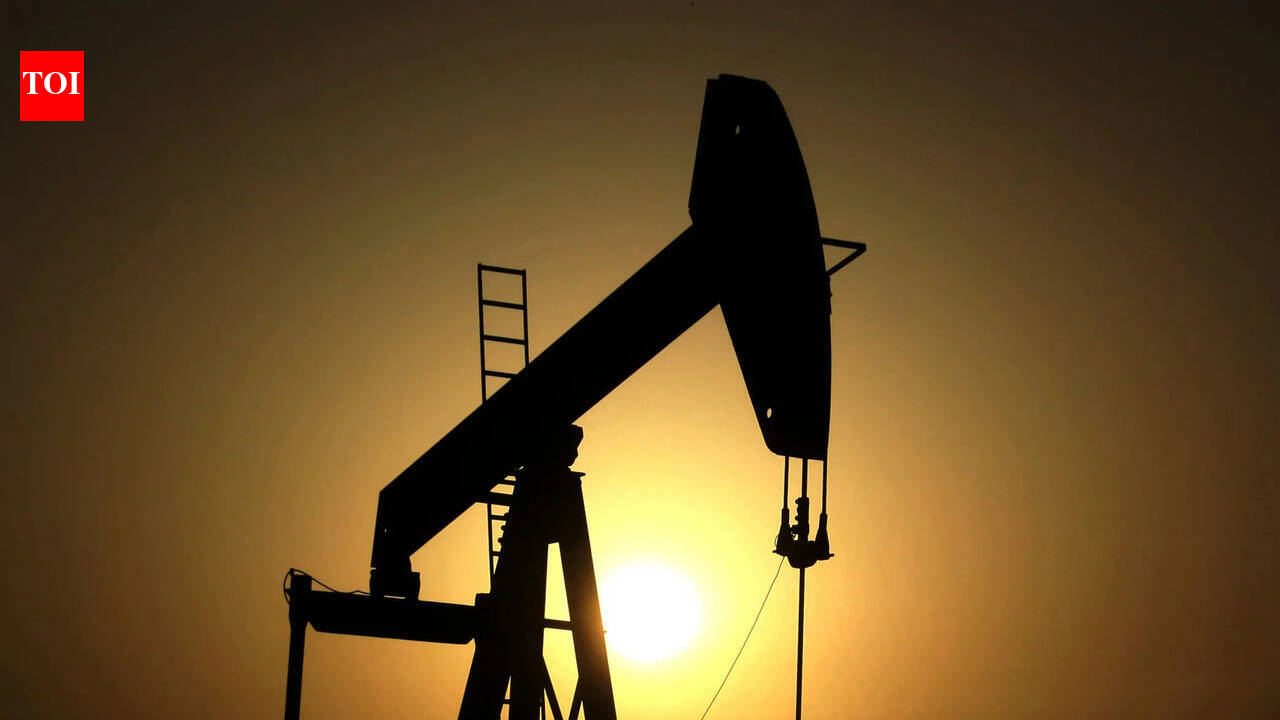
Oil prices saw a modest recovery on Tuesday after a significant decline. Benchmark Brent crude climbed to $84.26 and WTI crude reached $80.75. This rebound followed a sharp slide after US President Donald Trump paused military action against Iran. Shipping patterns are changing, and concerns about energy supply risks persist. Oil prices remain below their earlier peak of $126 per barrel.
Where: Iran
Exact coordinates
iran: 32.430, 53.690
Read it at The Times of India See this on the map
23 outlets covered this story — see how their framing differs
What might happen next? AI-generated
These scenarios are written by an AI language model from the headline and summary above. They are not predictions from the newsroom, and they are not evidence of anything. Every one is given a deadline and checked against later coverage, and the score is published on the ledger — including the ones that miss.
-
Unresolved 35% Stabilization via De-escalation
The pause in military action leads to a gradual easing of regional rhetoric, allowing global energy markets to absorb the supply risk. International bodies begin mediating dialogue between regional powers to secure shipping lanes.
Watch for: The International Energy Agency releases a report stating 'Supply chain risks in the Strait of Hormuz are within historical norms'. · The Iranian Foreign Ministry announces a specific diplomatic channel for energy security talks.
-
Unresolved 30% Escalation and Market Shock
The pause was temporary, and a targeted kinetic strike or seizure of tankers occurs. This forces immediate, severe market intervention by OPEC+ nations, leading to a price spike well over $100.
Watch for: Lloyd's List reports an 'unconfirmed seizure of an oil tanker near the Strait of Hormuz'. · The US Treasury issues a statement citing 'direct threats to global maritime commerce' in the region.
-
Unresolved 20% Long-term Supply Diversification (Counter-intuitive)
Global majors, fearful of sustained regional instability, accelerate investment in non-Middle Eastern supply, including increased Arctic and US shale export capacity, mitigating the impact of Hormuz tensions.
Watch for: Saudi Aramco announces a 15% increase in investment allocation toward non-Gulf production infrastructure. · A major European utility announces a binding long-term contract to increase imports from non-Middle Eastern suppliers.
-
Unresolved 15% Stalemate and Price Plateau
The lack of clear political will from either side results in a protracted standoff. Oil prices stabilize at a new, elevated plateau, reflecting the 'risk premium' rather than a true supply crunch.
Watch for: The CME Group issues a forward curve report showing the WTI contract price remaining stagnant between $80 and $85 for the next six months. · The US State Department issues a 'Routine Advisory' rather than a heightened alert regarding regional security.
Generated by gemma-4-E4B-it-qat-UD-Q4_K_XL.gguf
on 2026-08-04. Checked against later coverage after 2026-08-18.
See how these forecasts score.
ForecastGeo shows the headline and summary published by the newsroom and places the story on a map. The full article lives at the source.