Nearly three years after Oct. 7, Israeli donations keep climbing as philanthropy shifts to recovery
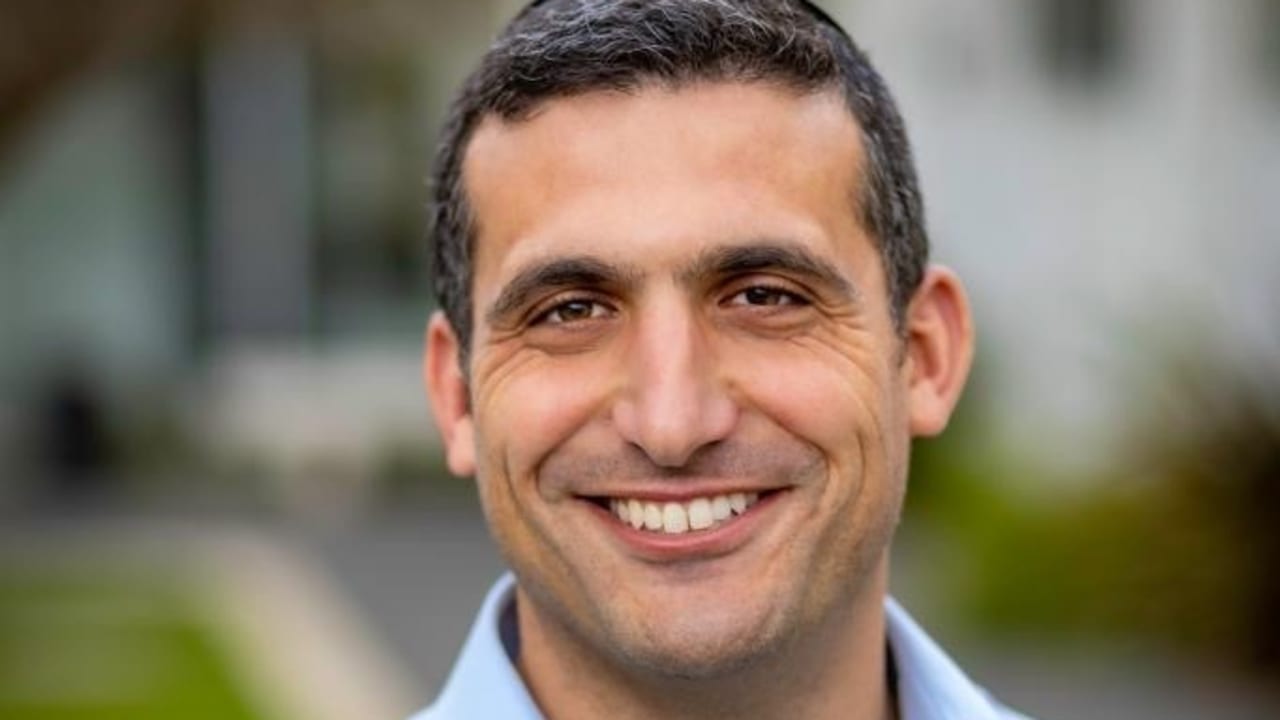
JGive CEO Ori Ben-Shlomo says donations rose from NIS 160 million before Oct. 7 to nearly NIS 400 million last year, as Israeli philanthropy shifts from emergency relief toward rehabilitation.
Where: Israel, United States
Exact coordinates
israel: 31.050, 34.850
united states: 37.090, -95.710
Read it at The Jerusalem Post See this on the map
What might happen next? AI-generated
These scenarios are written by an AI language model from the headline and summary above. They are not predictions from the newsroom, and they are not evidence of anything. Every one is given a deadline and checked against later coverage, and the score is published on the ledger — including the ones that miss.
-
Awaiting deadline 35% Sustained Stabilization via Philanthropic Focus
The increased private funding allows the government to allocate resources to defined rehabilitation projects, creating a buffer against immediate security risks. This focus on civilian recovery prevents a rapid, all-encompassing military escalation in the coming days.
Watch for: A new, large-scale 'Rehabilitation Fund' is formally announced by the Knesset with a specific, measurable target (e.g., 'NIS 5 billion'). · A high-level security official publicly comments that resource allocation is being prioritized over immediate offensive military operations.
-
Awaiting deadline 30% Localized Security Incident Sparks Diplomatic Dialogue
A relatively contained security incident occurs, but the international community pushes for a specific de-escalation mechanism. This forces both sides to engage in a short-term, highly constrained diplomatic negotiation over the specific incident, temporarily channeling focus away from broader military confrontation.
Watch for: A specific regional envoy (e.g., from the EU or US) is named as the mediator in a televised summit within one week. · A targeted, verifiable 'local cease-fire' agreement is signed specifically regarding a particular border sector.
-
Awaiting deadline 20% Sudden Political Re-evaluation and Hard Line Shift
Internal political pressure shifts rapidly, leading a key cabinet member to publicly renounce the current strategic approach. This results in an immediate, sharp change in public rhetoric that signals a definitive turn towards a more hawkish stance or a sudden pivot to a non-military policy.
Watch for: A named high-ranking political figure issues a public statement explicitly redefining the 'red lines' for the upcoming month. · A shift in public discourse where a major Israeli media outlet (e.g., Channel 12) dedicates an entire prime-time segment to criticizing the current security strategy.
-
Awaiting deadline 15% Unforeseen External Pressure Forces Temporary Standstill (Counter-Intuitive)
Contrary to the expected continuation of security concerns, overwhelming international economic or political pressure (perhaps related to international finance or sanctions) temporarily forces a halt in military mobilization. This pause is driven by external actors rather than internal negotiation, creating a temporary diplomatic window.
Watch for: The US Treasury or a G7 body announces a specific, time-bound 'review of financial aid' related to the conflict within the 14-day window. · A named international banking regulator publicly issues a statement regarding the financial stability of the involved parties.
Generated by llama
on 2026-10-04. Checked against later coverage after 2026-10-18.
See how these forecasts score.
ForecastGeo shows the headline and summary published by the newsroom and places the story on a map. The full article lives at the source.