Kitchen confidential: Rot, raids and reality checks from Mumbai and Bengaluru
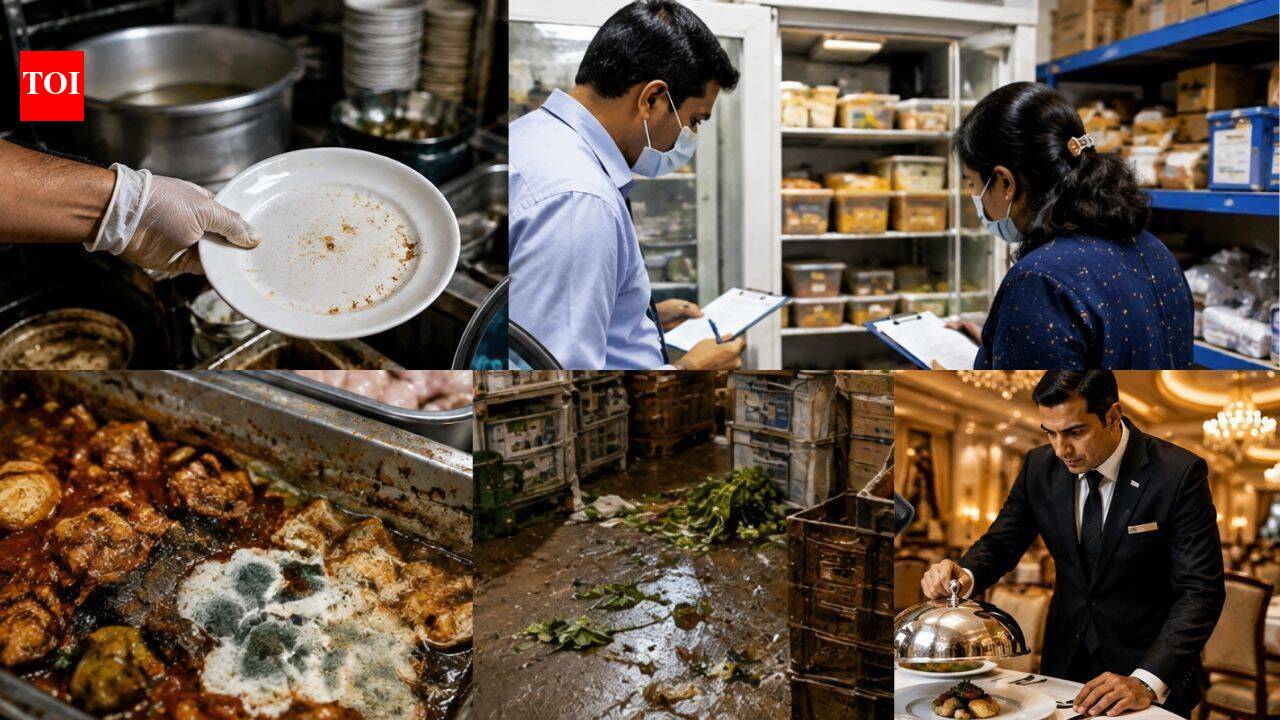
Recent inspections revealed expired food and poor hygiene in Bengaluru kitchens. Mumbai also saw increased enforcement targeting food outlets and warehouses. These violations highlight systemic issues throughout the food supply chain. Luxury hotels are not exempt from these critical food safety concerns. Effective monitoring and follow-up are essential for ensuring consumer safety.
Places named in this report: Mumbai
Exact coordinates
mumbai: 19.080, 72.880
Read it at The Times of India See this on the map
What might happen next? AI-generated
These scenarios are written by an AI language model from the headline and summary above. They are not predictions from the newsroom, and they are not evidence of anything. Every one is given a deadline and checked against later coverage, and the score is published on the ledger — including the ones that miss.
-
Unresolved 45% Immediate Regulatory Crackdown
In response to the media spotlight, food safety departments issue nationwide directives mandating immediate closures of high-risk establishments identified in the raids. This is likely to lead to a significant, visible surge in temporary shutdowns across major metropolitan areas. The government prioritizes a quick, decisive public safety response.
Watch for: Ministry of Food Safety issues a 7-day mandatory audit for all hotels above a certain rating. · A major national news network airs a special report detailing the specific violations in the inspected locations.
-
Unresolved 30% Sector-Specific Compliance Overhaul
Rather than blanket closures, regulatory bodies announce a targeted, phased implementation of new digital tracking systems for perishable goods across the supply chain. This approach aims for systemic reform while minimizing immediate economic disruption. Luxury hotel chains publicly announce the hiring of third-party compliance consultants.
Watch for: The FSSAI announces the rollout schedule for a mandatory QR-code traceability system in all major food distribution hubs. · A major hotel association releases a joint press conference detailing their commitment to new hygiene protocols.
-
Unresolved 15% Industry Lobbying and Soft Enforcement
Hotels and restaurant associations launch a coordinated campaign, arguing that current enforcement is overly punitive and lacks infrastructure support. They lobby for a 30-day grace period for compliance, leading to a temporary, less rigorous inspection schedule. Official statements focus more on 'guidelines' than 'penalties'.
Watch for: A representative from the National Hotel Association submits a formal petition to the relevant government body requesting a compliance extension. · The frequency of 'warning' notices issued by local municipal corporations increases by 50%.
-
Unresolved 10% Hyper-Local Consumer Vigilantism
The systemic issue sparks a sudden wave of highly coordinated consumer action, bypassing official channels. Organized citizen groups begin publicizing specific, unverified claims about hygiene standards on social media, putting direct pressure on local municipal leaders. This bypasses top-down policy changes entirely.
Watch for: A popular local influencer posts a viral video detailing a specific, un-inspected restaurant violation with a high share count. · A municipal corporation issues a statement acknowledging a 'rise in public feedback' regarding localized food standards without admitting systemic failure.
Generated by gemma-4-E4B-it-qat-UD-Q4_K_XL.gguf
on 2026-08-11. Checked against later coverage after 2026-08-14.
See how these forecasts score.
ForecastGeo shows the headline and summary published by the newsroom and places the story on a map. The full article lives at the source.