Is China’s climate returning to that of Tang dynasty golden age? Experts warn of a trap
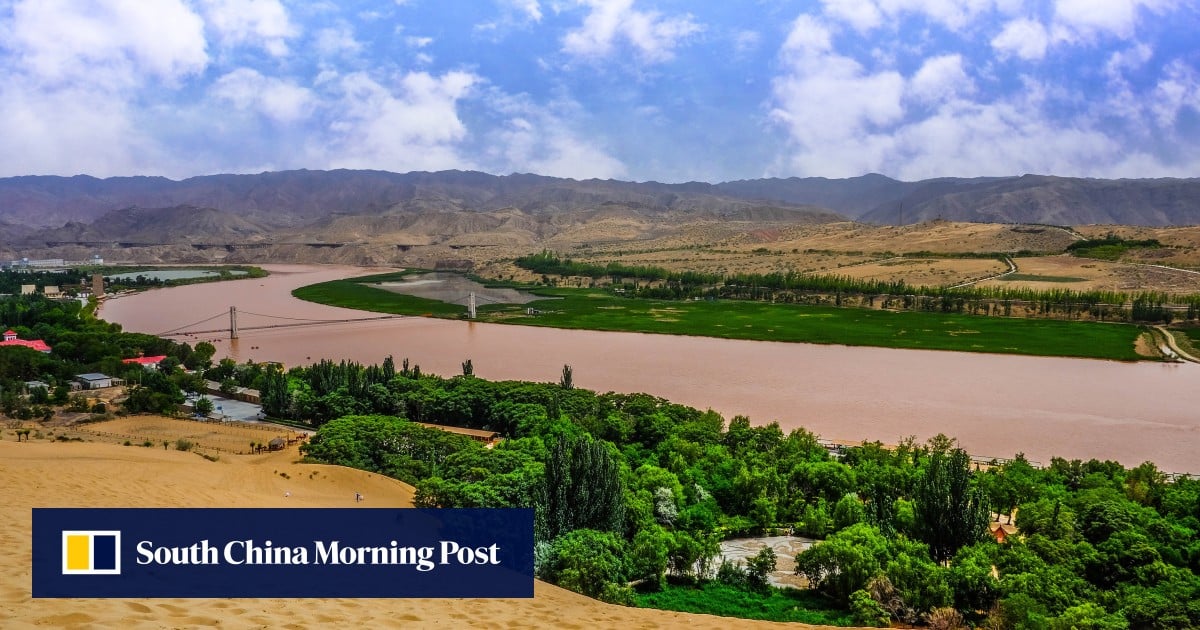
In China’s arid northwest, local state media in the Ningxia Hui autonomous region are celebrating a surge of rainfall in an area that usually averages 300mm (about 12 inches) per year. The rain belt moving northwards would bring “climate dividends”, the Ningxia Broadcasting News Centre said last month, promising that “loess soil will turn green and farming area will expand”. Reporting on a northward march of the 400mm precipitation line – the vital boundary that separates China’s arid grazing...
Places named in this report: China
Exact coordinates
china: 35.860, 104.200
Read it at South China Morning Post See this on the map
What might happen next? AI-generated
These scenarios are written by an AI language model from the headline and summary above. They are not predictions from the newsroom, and they are not evidence of anything. Every one is given a deadline and checked against later coverage, and the score is published on the ledger — including the ones that miss.
-
Unresolved 45% Managed Agricultural Expansion
The Chinese government leverages the increased rainfall in Ningxia to launch a pilot 'Green Great Wall' initiative, officially expanding arable land for drought-resistant crops while deploying advanced irrigation to prevent soil salinization. State media continues to highlight the 'climate dividends' as a success story of ecological civilization, with no major droughts or floods disrupting the new farming zones during this period.
Watch for: Ministry of Agriculture announces 15% increase in Ningxia wheat yield due to 'favorable precipitation patterns' · Beijing allocates 2 billion yuan for smart irrigation infrastructure in Northwest autonomous regions
-
Unresolved 30% Inter-regional Water Conflict
The northward shift of the rain belt intensifies competition for water resources between the wetter south and the newly wetting northwest, leading to localized disputes over dam releases and river allocations. Provincial governors in the Yellow River basin file complaints with the State Council regarding upstream water retention by Ningxia, threatening the stability of the 'One Belt, One Road' agricultural supply chain.
Watch for: Yellow River Conservancy Commission imposes emergency water rationing orders on Ningxia irrigation districts · Provincial leaders from Gansu and Inner Mongolia submit joint petition to Central Government over water rights
-
Unresolved 15% Ecological Backlash and Desertification
Despite initial rainfall gains, the lack of deep-rooted vegetation leads to rapid soil salinization and erosion, causing the 'loess soil to turn green' narrative to collapse as dust storms increase in frequency and intensity. The failed agricultural expansion results in significant financial losses for state-owned farming enterprises, prompting a retreat from the expansionist climate adaptation policies.
Watch for: Ningxia declares a state of emergency after severe dust storms reduce visibility to less than 50 meters for three consecutive weeks · State audit office reports 30% failure rate in new arable land conversion projects in Northwest China
-
Unresolved 10% Geopolitical Climate Leverage
China uses its newfound agricultural self-sufficiency in the Northwest to reduce food imports, thereby weakening Western leverage in trade negotiations and positioning itself as a global leader in climate-resilient agriculture. This shift coincides with Beijing offering technical assistance to Central Asian nations facing similar climate shifts, expanding its soft power and strategic influence in the region.
Watch for: China announces 20% reduction in soybean and corn imports from the United States and Brazil · Beijing launches a 'Silk Road Climate Adaptation Fund' with $500 million in grants for Central Asian agricultural projects
Generated by Qwen3.6-35B-A3B-UD-Q5_K_M.gguf
on 2026-08-03. Checked against later coverage after 2026-08-17.
See how these forecasts score.
ForecastGeo shows the headline and summary published by the newsroom and places the story on a map. The full article lives at the source.