Germany says Ukrainian man arrested over Nord Stream sabotage
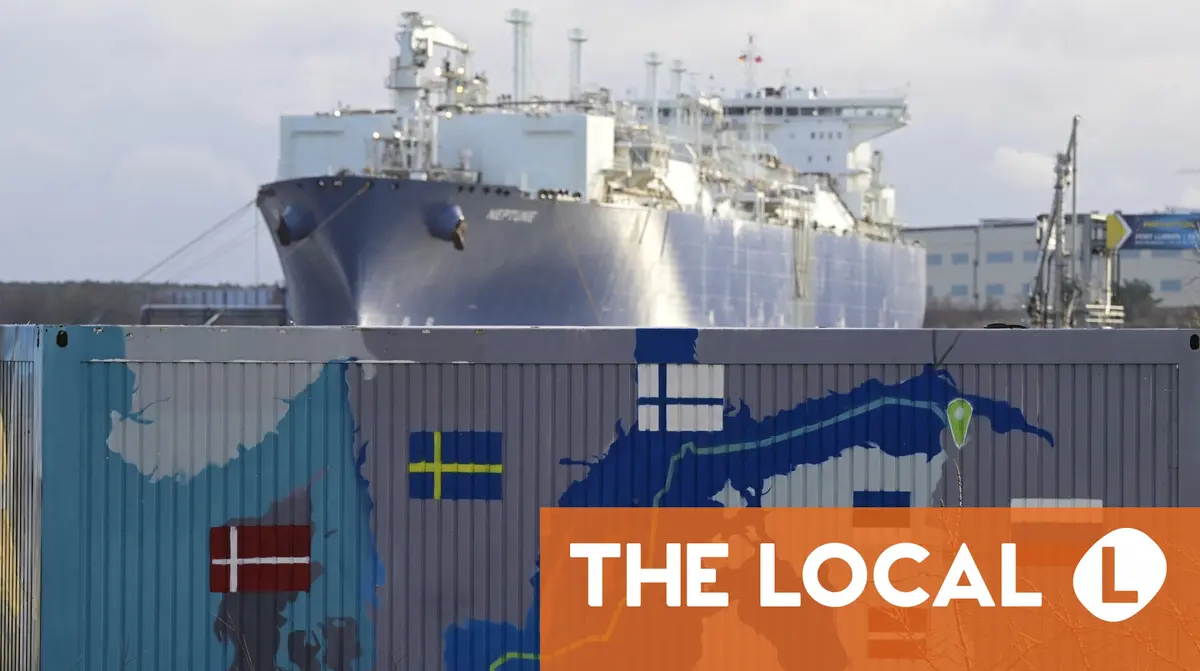
A Ukrainian man was arrested Wednesday in Croatia on suspicion of taking part in the bombing of the Nord Stream gas pipelines between Russia and Germany in 2022, German prosecutors said.
Places named in this report: Berlin, Moscow
Exact coordinates
berlin: 52.520, 13.410
moscow: 55.760, 37.620
Read it at The Local (Germany) See this on the map
What might happen next? AI-generated
These scenarios are written by an AI language model from the headline and summary above. They are not predictions from the newsroom, and they are not evidence of anything. Every one is given a deadline and checked against later coverage, and the score is published on the ledger — including the ones that miss.
-
Did not happen 35% Diplomatic De-escalation
The arrest sparks immediate international diplomatic pressure on Russia to engage in de-escalation talks regarding energy security. Germany, keen to stabilize energy markets, uses the legal situation as leverage to push for a mediated dialogue. The focus shifts from criminal prosecution to geopolitical risk management.
Watch for: German Foreign Minister holds a press conference calling for 'urgent energy security dialogues' · A joint statement is issued by the EU and Russia referencing the need for 'civilian protection'
-
Confirmed 30% Increased Legal Pressure
The German prosecution aggressively pursues the case, using the Croatian arrest as a template for future international cooperation against sabotage. This leads to increased joint investigations between EU nations targeting alleged state actors supporting the incident. The narrative frames it purely as a criminal matter.
Watch for: The German Prosecutor announces a formal extradition request or cooperation agreement with Croatia · A specialized EU task force is publicly announced to monitor critical infrastructure
-
Did not happen 25% Political Blame Shift
Russia rejects the premise of the arrest as an act of provocation, accusing Germany of using the legal action to justify further military escalation or energy sanctions. This forces a rapid, high-level diplomatic exchange where Russia publicly links the arrest to current geopolitical friction, potentially leading to minor tariff adjustments.
Watch for: The Russian Ministry of Foreign Affairs issues a formal diplomatic protest naming specific German policies · A targeted, minor adjustment (e.g., a 2% tariff hike) is announced on German industrial imports by Russia
-
Did not happen 10% Counter-Intuitive Stalemate
Instead of immediate high-stakes diplomatic moves, the arrest becomes a bureaucratic dead-end. Both German authorities and Croatian judicial systems face significant procedural hurdles, leading to a public delay in proceedings. The international community largely ignores the specific individual, focusing instead on broader energy policy changes.
Watch for: A court in Croatia officially postpones the hearing indefinitely due to jurisdictional complexities · The German Federal Ministry for Economic Affairs issues a technical briefing on gas pipeline redundancy, effectively sidelining the legal case
Generated by gemma-4-E4B-it-qat-UD-Q4_K_XL.gguf
on 2026-08-19. Checked against later coverage after 2026-08-29.
See how these forecasts score.
ForecastGeo shows the headline and summary published by the newsroom and places the story on a map. The full article lives at the source.