Chinese green tea is bringing people together in West Africa, 3 cups at a time
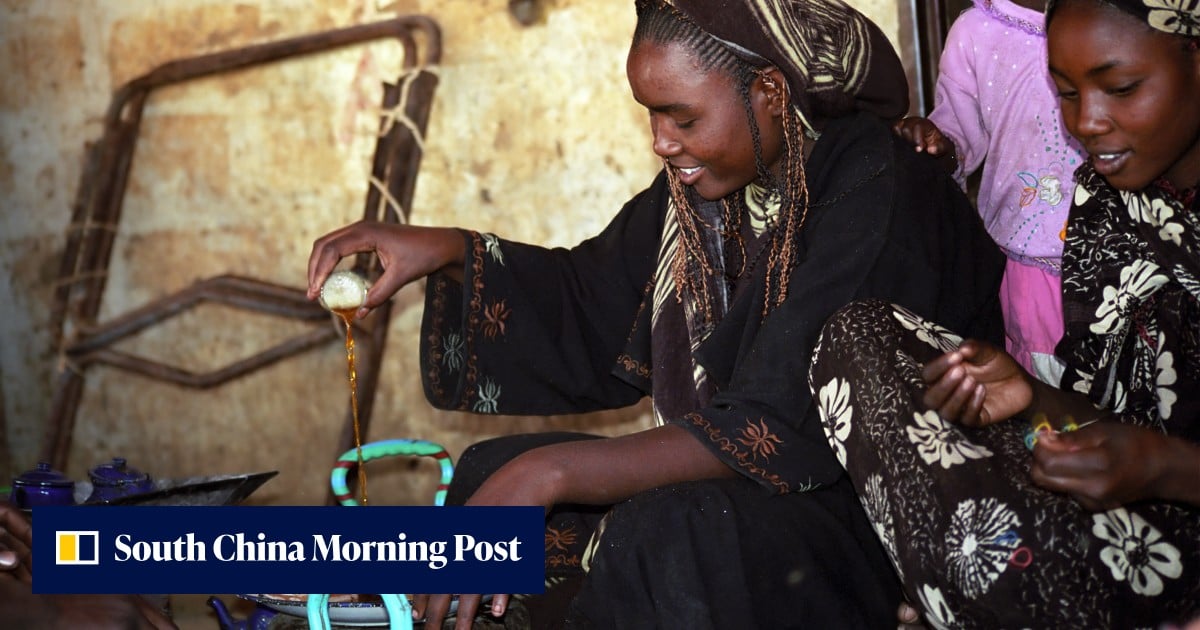
West Africa has embraced Chinese green tea – from government offices in Mauritania to roadside stalls in Senegal, Mali and Niger, it is at the heart of a tradition that brings people together. The ritual – known as ataya, or attaya in some countries – involves preparing and serving strong, sweet green tea in three rounds, giving family, friends and colleagues the time to talk and socialise. Chinese tea dominates several markets where ataya is widely consumed. More than 90 per cent of...
Places named in this report: China
Exact coordinates
china: 35.860, 104.200
Read it at South China Morning Post See this on the map
What might happen next? AI-generated
These scenarios are written by an AI language model from the headline and summary above. They are not predictions from the newsroom, and they are not evidence of anything. Every one is given a deadline and checked against later coverage, and the score is published on the ledger — including the ones that miss.
-
Unresolved 35% Localized Market Diversification
Despite the current dominance, established local or international tea producers launch aggressive marketing campaigns targeting price sensitivity among consumers in Senegal and Mali. This challenges the near-monopoly of the Chinese green tea imports, leading to noticeable shelf space changes.
Watch for: A major local West African beverage conglomerate announces a strategic partnership with a European tea supplier. · Government trade ministries in Niger issue new import quotas or tariffs specifically targeting tea commodities.
-
Unresolved 30% Chinese Government Export Push Intensifies
Leveraging the social acceptance of the product, the Chinese Ministry of Commerce announces a new 'Green Tea Cultural Exchange Initiative' aimed at deeper market penetration. This could involve funding local cafes or establishing exclusive distribution hubs.
Watch for: The Chinese Ministry of Commerce issues a press release detailing increased financing for 'soft power' initiatives in West Africa. · A new, state-backed Chinese retail chain opens its first flagship store in a major West African capital.
-
Unresolved 20% Counter-Trend: Local Revival of Traditional Blends
A reaction against perceived 'homogenization' or reliance on foreign goods leads to a cultural resurgence advocating for the re-establishment of indigenous, locally grown herbs and tea blends. This movement gains traction in Senegal's artisan markets.
Watch for: A prominent West African cultural critic publishes an open letter criticizing the dominance of imported Chinese consumables. · A government-sponsored agricultural program announces subsidized land specifically for native tea/herb cultivation.
-
Unresolved 15% Supply Chain Disruption Impact
Unexpected regional logistical issues, such as border closures or shipping delays impacting Chinese exports, cause temporary spikes in local prices. This forces consumers to rely on existing stockpiles or seek immediate, albeit more expensive, alternatives.
Watch for: Local West African news reports a 20% price increase on packaged green tea at major urban markets. · The Chinese trade delegation in the region issues an official statement regarding temporary logistical bottlenecks.
Generated by gemma-4-E4B-it-qat-UD-Q4_K_XL.gguf
on 2026-08-20. Checked against later coverage after 2026-08-30.
See how these forecasts score.
ForecastGeo shows the headline and summary published by the newsroom and places the story on a map. The full article lives at the source.