A hidden compound in healthy foods may worsen IBD
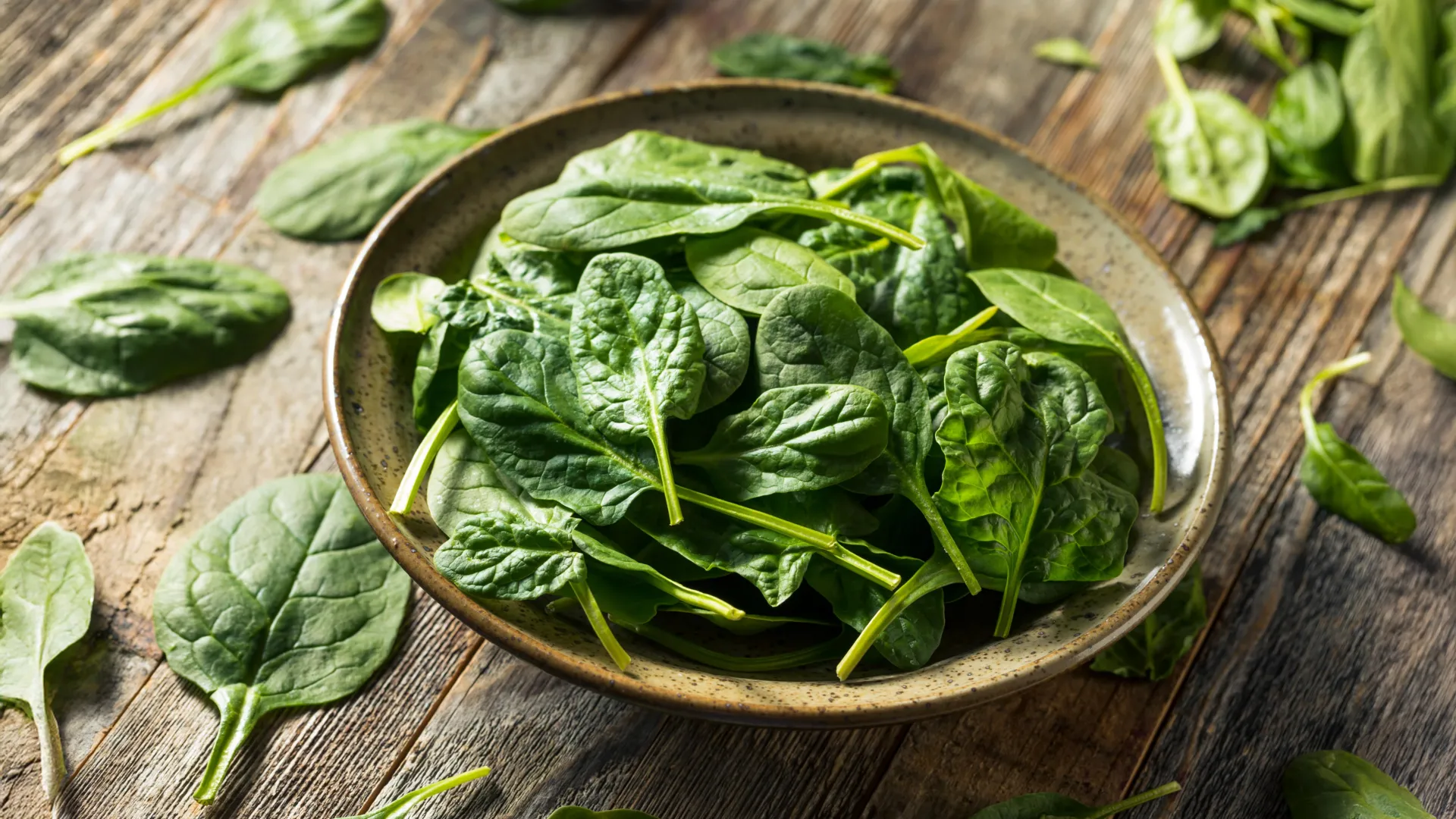
A natural compound found in foods such as spinach, almonds, and sweet potatoes may aggravate gut inflammation in people with Crohn’s disease and ulcerative colitis because their intestines appear to handle it differently. Researchers say the finding could open the door to lower-oxalate diets or microbiome treatments tailored specifically to people with IBD.
Where: Texas, North Carolina
Exact coordinates
texas: 31.970, -99.900
north carolina: 35.760, -79.010
Read it at ScienceDaily See this on the map
What might happen next? AI-generated
These scenarios are written by an AI language model from the headline and summary above. They are not predictions from the newsroom, and they are not evidence of anything. Every one is given a deadline and checked against later coverage, and the score is published on the ledger — including the ones that miss.
-
Awaiting deadline 35% Immediate Scientific Validation & Media Hype
The initial findings are quickly picked up by major news outlets, leading to a sudden surge in patient concern and demand for dietary changes. A major health organization issues a cautious press release acknowledging the study's limitations while endorsing the initial findings for clinical discussion. This creates an immediate, localized wave of self-diagnosis and dietary shifts.
Watch for: A major news network runs an in-depth segment titled 'Hidden Toxins in Your Kale' referencing the study. · The American Gastroenterological Association issues a formal advisory to practitioners regarding oxalate intake.
-
Awaiting deadline 30% Skeptical Rebuttal and Slow Integration
The study's methodology is challenged by a competing research team, leading to a period of intense scientific debate. Initial treatment guidelines remain unchanged as the scientific community demands more large-scale, double-blind trials before adopting new advice. The market for existing IBD treatments remains stable for the short term.
Watch for: A published letter-to-the-editor in a peer-reviewed journal formally critiques the study's sample size. · The FDA releases no urgent public health alerts regarding common vegetables.
-
Awaiting deadline 25% Rapid Development of Targeted Diet Protocols
Pharmaceutical companies quickly move to develop and pilot specific, low-oxalate dietary guidance integrated with existing care pathways. A major medical institution announces a pilot program offering personalized diet plans alongside standard IBD medication. This represents a swift move toward preventative nutritional medicine.
Watch for: A major hospital system announces a 30-day clinical trial for 'Low-Oxalate IBD Management'. · A new clinical guideline published by a professional society includes a specific section on oxalate-sensitive diets.
-
Awaiting deadline 10% Consumer Rejection and 'Natural' Marketing Backlash (Counter-intuitive)
The news triggers a massive 'anti-diet' consumer backlash, fueled by misinformation suggesting the science is biased against natural foods. Consumers actively reject the premise, and major food producers launch PR campaigns defending the nutritional value of spinach and almonds. This pushes the conversation back toward generalized dietary acceptance.
Watch for: A major consumer advocacy group issues a statement dismissing the study as 'over-hyped scientific sensationalism'. · A major food manufacturer launches a nationwide campaign titled 'Nature's Best for Every Body'.
Generated by llama
on 2026-09-13. Checked against later coverage after 2026-09-16.
See how these forecasts score.
ForecastGeo shows the headline and summary published by the newsroom and places the story on a map. The full article lives at the source.